Why Employing a Residential Electrician Is Essential for Home Security!
Engaging a residential electrician is vital for preserving home protection. Numerous homeowners fail to appreciate the complexities of electrical systems. DIY projects can create dangerous situations, including combustion hazards or shocks. Licensed electricians deliver critical proficiency, confirming compliance with local codes and safety regulations. The ramifications of overlooking appropriate electrical installation can be extreme. Grasping the worth of professional guidance can establish a meaningful change in home safety. What particular perks can these professionals supply?
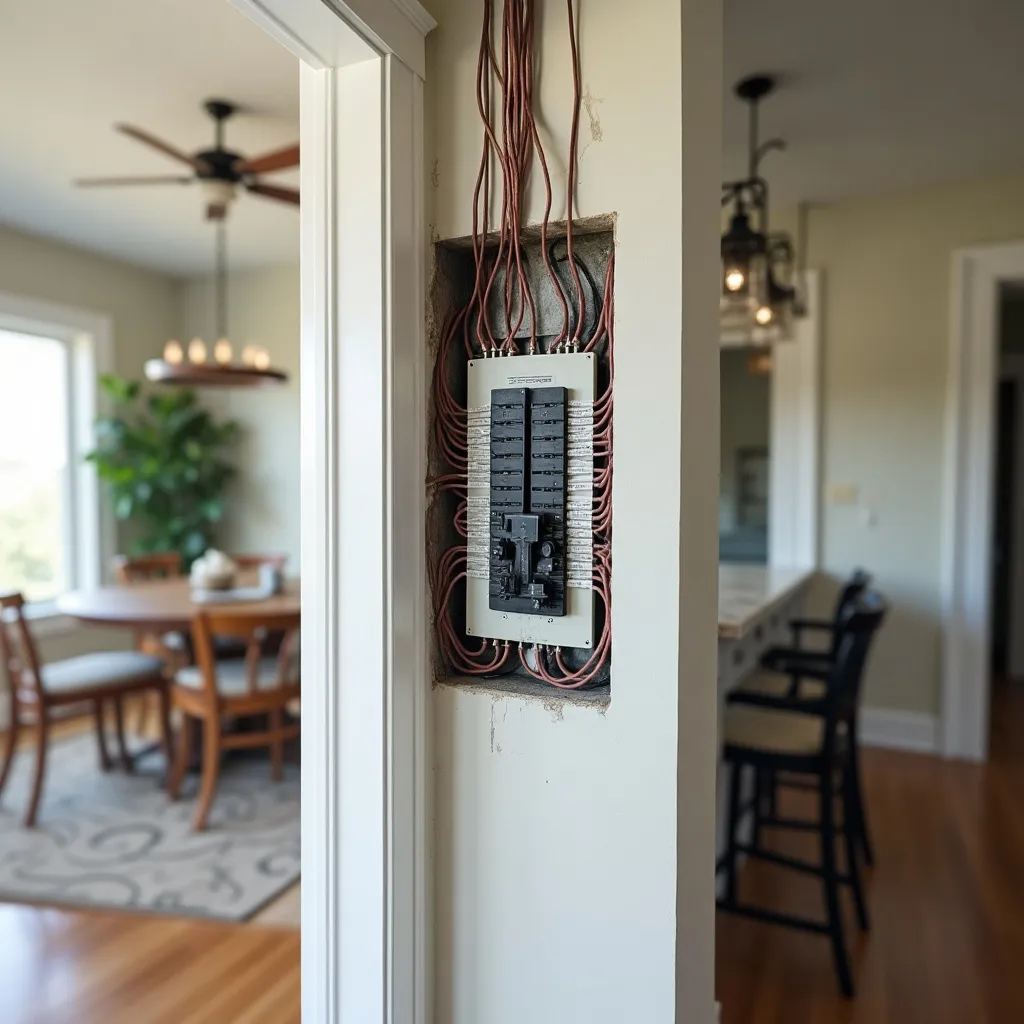
Recognizing the Hazards of Do-It-Yourself Electrical Work
Attempting DIY electrical work may appear attractive to house owners trying to cut costs, yet it presents major risks. Many individuals fail to appreciate the sophistication of wiring infrastructure, frequently leading to incorrect setups or fixes. This shortage of expertise can produce electrical malfunctions, blazes, or shock injuries, jeopardizing both the resident and their property.
Additionally, DIY undertakings might not meet local building codes, potentially creating legal complications or costly fines.
In addition, lacking the proper tools and safety equipment, residents may risk placing themselves in unsafe conditions. Even apparently basic undertakings, such as replacing a light fixture, can have unexpected consequences if not done properly.
There is also concern about the potential for long-term damage to the home's electrical system.
The Mastery That Maintains Your Home Secure
Concerning guaranteeing home security, a residential electrician's expertise is crucial.
They carry out thorough safety inspections, making sure all systems are functioning properly and meet regulatory standards.
Moreover, their familiarity with code compliance and experienced repair abilities avert potential threats before they become serious complications.
Full-Scale Safety Examinations
A detailed safety inspection performed by a licensed residential electrician is crucial for keeping a protected home setting. During this operation, electricians inspect wiring, outlets, and electrical panels to identify potential hazards.
They review for aged equipment that may present fire risks or result in electrical failures. Additionally, they analyze the grounding and bonding systems to confirm they meet safety standards.
When electricians uncover problems like overloaded circuits or faulty wiring, they supply homeowners with practical recommendations to reduce risks. These inspections not only improve safety but also promote energy efficiency, potentially lowering utility bills.
Ultimately, routine safety checks safeguard both the home and its occupants, ensuring a dependable electrical setup that operates effectively.
Code Compliance Assurance
Code compliance assurance plays a vital part in ensuring the safety and dependability of residential electrical systems.
Expert electricians show competence of local, state, and national electrical codes, which are instituted to maintain homeowners from possible dangers. These codes contain various aspects, such as wiring methods, circuit protection, and grounding techniques, all paramount for safe operation.
By adhering to these regulations, electrical professionals decrease the risk of electrical fires, electrical shock, and equipment failure. Additionally, code compliance is often a requirement for homeowner's insurance and can influence home value.
Homeowners who hire a qualified electrical professional guarantee that their electrical systems meet necessary standards, delivering confidence and a safer living environment.
Skilled Technical Capabilities
Electrical systems may encounter difficulties despite following safety codes. When issues arise, specialized diagnostic abilities become vital.
Residential electricians possess advanced expertise and qualifications that allow them to detect faults quickly, often before escalation into serious dangers. Their ability to analyze intricate electrical networks and pinpoint problems ensures that supporting information homeowners are not left in the dark—literally and figuratively.
These professionals employ cutting-edge equipment and methods to identify malfunctions, whether it's a flickering light or a blown circuit. By tackling these problems promptly, they not only restore functionality but also improve the overall safety of the home.
Ultimately, turning to a professional electrician for troubleshooting serves as a proactive step toward protecting both property and residents.
Determining the Most Fitting Residential Electrical Expert
Determining the suitable residential electrician takes thorough assessment of several key factors.
Residential owners should verify qualifications and certifications to confirm compliance with local regulations.
Also, evaluate the electrician's qualifications and abilities, and obtain comprehensive estimates for complete transparency.
These measures aid in determining an informed decision that stresses quality and safety.
Confirm Credentials And Licenses
Upon engaging a residential electrician, it is vital to verify their credentials and licenses to guarantee adherence with local regulations and industry standards. This step guarantees that the electrician has completed the necessary training and possesses the knowledge required for secure and efficient electrical work.
Ensuring proper licensing protects homeowners from unforeseen risks and confirms that the electrician complies with safety protocols. Additionally, checking qualifications can help discover professionals who remain informed about the latest industry practices and technologies.
Property owners should ask for proof of insurance and check that the electrician holds any required certifications. Taking these precautions not only strengthens security but also fosters trust in the quality and reliability of the electrical services rendered.
Analyze History And Capability
Determining the competence and experience of a residential electrician is essential for achieving high-quality workmanship. A seasoned electrician typically brings a rich reservoir of expertise gained through years of hands-on experience. This background enables them to operate with assorted electrical configurations and resolve technical problems effectively.
Prospective clients should ask regarding the electrician's specific areas of expertise, such as residential wiring, lighting installations, or electrical repairs. Additionally, understanding the types of projects they have previously completed can provide insight into their capabilities.
Client feedback and ratings from past customers can also be useful guides in gauging reliability and quality of service. By thoroughly reviewing an electrician's experience and expertise, homeowners can choose confidently that stress safety and efficiency.
Require Thorough Cost Assessments
In what ways can homeowners guarantee they receive fair pricing and quality service when engaging a residential electrician? One effective strategy involves obtaining detailed estimates from multiple electricians.
This technique not only supports evaluating costs but also supplies understanding of the scope of work involved. Homeowners should confirm that estimates encompass labor, materials, and any additional fees. A candid estimate exemplifies the electrician's professionalism and eagerness to communicate.
Moreover, it enables homeowners to raise inquiries about any confusing charges, advancing a clearer knowledge of the project. By obtaining numerous estimates, homeowners can render knowledgeable decisions, thereby confirming they hire a skilled residential electrician who meets their needs while respecting safety standards.
Leading Electrical Problems Best Handled by Professionals
When electrical problems emerge in a home, it's necessary to understand which issues call for expert assistance. Standard electrical problems that should be given to licensed electricians involve frequent circuit breaker trips, which may demonstrate overloads or faulty wiring.
Flickering lights may reveal greater issues, such as faulty connections or aging wiring systems. Additionally, receptacles that feel warm or emit a scorched odor pose serious fire risks and should be examined right away.
One more consideration is the installation of new electrical systems or fixtures, which often requires adherence to local codes and safety standards. Homeowners should also contact expert assistance for any electrical work involving the main service panel, as slip-ups in this area can cause unsafe conditions.
Why Regulatory Adherence Is Critical for Protection
Making sure that electrical installations meets code compliance plays a vital role in maintaining safety within residential environments. Electrical codes are established to decrease hazards such as fires, electrocution, and property damage. These regulations are created based on extensive investigation and industry standards, reflecting the latest protective standards.
When homeowners retain a residential electrician, they derive benefits from the professional's expertise in enforcing these codes, assuring all installations and repairs are up to code.
Failure to adhere can cause risky circumstances, such as faulty wiring and inadequate grounding, which may not only pose risks to inhabitants but also impact policy protection. Additionally, properties that do not meet code standards can incur fines or issues during real estate transactions.
In the final analysis, following electrical codes is imperative for preserving lives and property, emphasizing the importance of retaining qualified electricians for all electrical work.
Achieve Long-Term Savings Through Professional Installations
Investing in competent electrical services can yield noteworthy prolonged savings for homeowners. Skilled electricians guarantee that all wiring and systems are mounted accurately, reducing the likelihood of expensive overhauls and substitutions due to inadequate installation. By adhering to safety codes and using high-quality materials, seasoned practitioners minimize the risk of dangerous electrical conditions, which can lead to expensive damage or even blazes.
Also, efficient energy technologies can reduce utility bills over time. For instance, upgrading to energy-efficient lighting and appliances can deliver noteworthy savings on electricity costs. Additionally, professional electricians can share expertise on streamlining electrical operations for better efficiency.
In the final analysis, while the preliminary expense of employing a qualified electrician may seem greater than a DIY technique, the long-term benefits—such as reduced service expenses and lower energy bills—clearly surpass the upfront investment.
Property owners can defend their financial interests and residences by focusing on professional electrical expertise.
The Confidence That Follows Professional Solutions
Peace of mind often comes with the choice to hire a professional electrician. Homeowners can feel confident knowing that their electrical systems are in the hands of trained experts who understand the complexities of wiring, circuits, and safety regulations.
Certified electricians possess the required qualifications and expertise to identify possible dangers, ensuring that installations and repairs meet safety regulations.
Furthermore, engaging a expert reduces the risk of electrical problems that could lead to dangerous situations such as fire hazards or electric shock. The assurance that a qualified individual has completed the job allows homeowners to concentrate on their daily lives without worrying about concealed hazards.
Additionally, many professional electricians provide guarantees for their services, further enhancing the sense of security.
Ultimately, relying on a qualified electrician not only protects the home but also establishes a worry-free atmosphere, allowing households to flourish without the burden of unresolved electrical issues.
Regularly Discussed Questions
What Ways Can I Use to Pinpoint a Licensed Residential Electrician?
To determine a competent residential electrician, one should ensure proper licensing, insurance, and references. Additionally, examining internet reviews and requesting suggestions from friends or family can help confirm the electrician's reliability and expertise.
What Are the Symptoms of Electrical Faults in My Home?
Evidence of electrical issues include lights that flicker, tripped circuit breakers, warm outlets, burning odors, and switches that are discolored. Peculiar sounds coming from appliances or outlets may also indicate possible problems requiring immediate action from a licensed technician.
How Regularly Should I Have My Electrical System Inspected?
Property owners should get their electrical systems checked every three to five years. Periodic inspections help identify potential issues early, preserving safety and efficiency while reducing exposure associated with obsolete or damaged electrical components in the home.
Can I Complete Minor Electrical Repairs Myself?
While small electrical jobs may appear doable, it's advisable to consult a professional. Inadequate expertise can cause dangerous conditions, potential code violations, or expensive repairs, emphasizing the necessity for expert assistance for electrical work.
What May I Execute in Circumstance of an Electrical Critical Issue?
If an electrical crisis occurs, you should promptly shut off the power at the circuit breaker, avoid contact with live wires, and call a qualified electrician for assistance. Safety should always be the top priority.